

Our Mission
Moving Rasa is a nonprofit organization that supports survivors and communities in building greater awareness, connection, healing, and leadership through movement-based, relational, and culturally rooted practice.
We create spaces where people can reconnect with their bodies, values, relationships, and cultural wisdom in ways that support both personal and collective transformation.
Vision
We envision a world where difference becomes a source of connection, where people move through life with joy and integrity, and where cultures of care replace cycles of violence
Values
Trust
Vulnerability
Cooperation
Perseverance
Play
Wisdom
Transformation
Many people are living with isolation, disconnection, trauma, and inherited patterns of harm that shape how they relate to themselves and others. Survivors, caregivers, and marginalized communities are often asked to carry these realities without enough space for reflection, embodiment, or collective support.
Moving Rasa creates spaces where people can practice awareness, consent, relationship, expression, and new ways of being together through embodied, experiential, and relational learning.
-
Many people are carrying pain, overwhelm, and inherited patterns without enough space to slow down, reflect, or feel supported.
-
Moving Rasa offers embodied experiences that help people notice and shift patterns in body and relationship, connect more deeply with themselves and others, and experience being witnessed in community.
-
Many people are navigating trauma, strained relationships, and social conditions that make consent, care, and trust harder to practice.
-
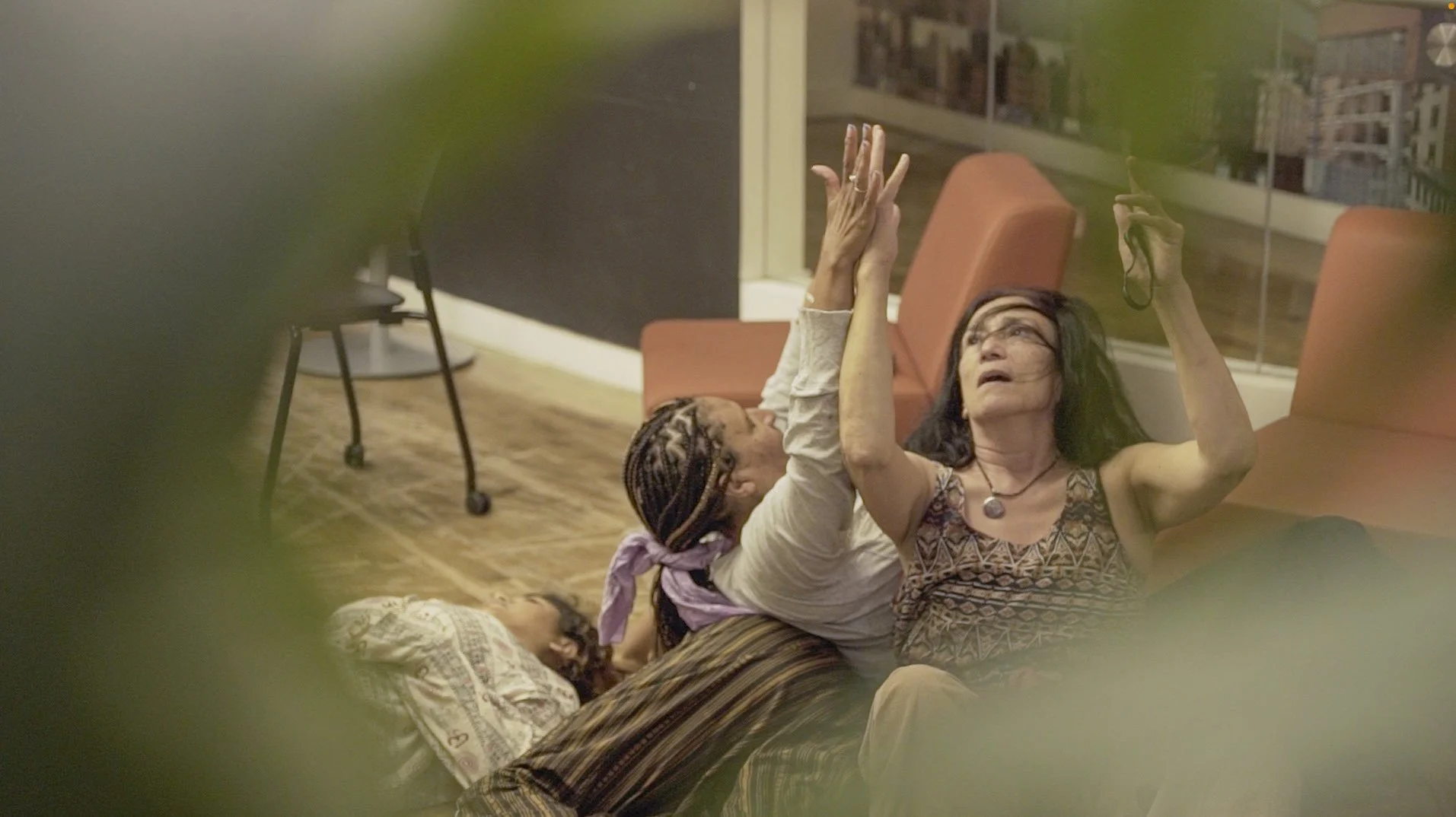
Through movement, reflection, and shared practice, people build real skills for consent, boundaries, mutual care, and more conscious ways of relating.
-
Many people long for spaces where they can explore identity, culture, and belonging in ways that feel lived, relational, and alive.
-
Through workshops, coaching, community gatherings, and Discovery Cards, Moving Rasa supports people in exploring identity and culture through lived experience while building confidence, leadership, imagination, and connection in community.
This is not only reflective work. It is experiential and relational learning through movement, play, improvisation, and being witnessed by others.
3000+
Participants
50+
Workshops
25+
Community Partners


Our Approach
Relational and experiential
We believe people change through experience, not just information. Our spaces invite participants to learn through movement, observation, sensation, reflection, and interaction.
Body & Place-based
The body and place carries memory, strategy, adaptation, and possibility. We help people notice how patterns live physically and how new choices can be practiced in real time.
Culturally rooted
Our work is shaped by Southeast Asian philosophy, diasporic experience, and respect for culturally specific ways of knowing, healing, and organizing. We honor that transformation does not happen outside culture, land, ancestry, or community.
Consent-centered
We pace our work with care. Choice, boundaries, permission, and responsiveness are central to how we facilitate and how we imagine community life.
Oriented toward real life
We are interested in what changes beyond the workshop. We want people to leave with practices, language, and experiences they can bring into relationships, leadership, conflict, creativity, and everyday life.
Ready to Sense, Relate, and Respond?
People enter this work in different ways.
Some begin with a small experience, others through community events. Explore the route that feels aligned for you!