Andrew Suseno Andrew Suseno

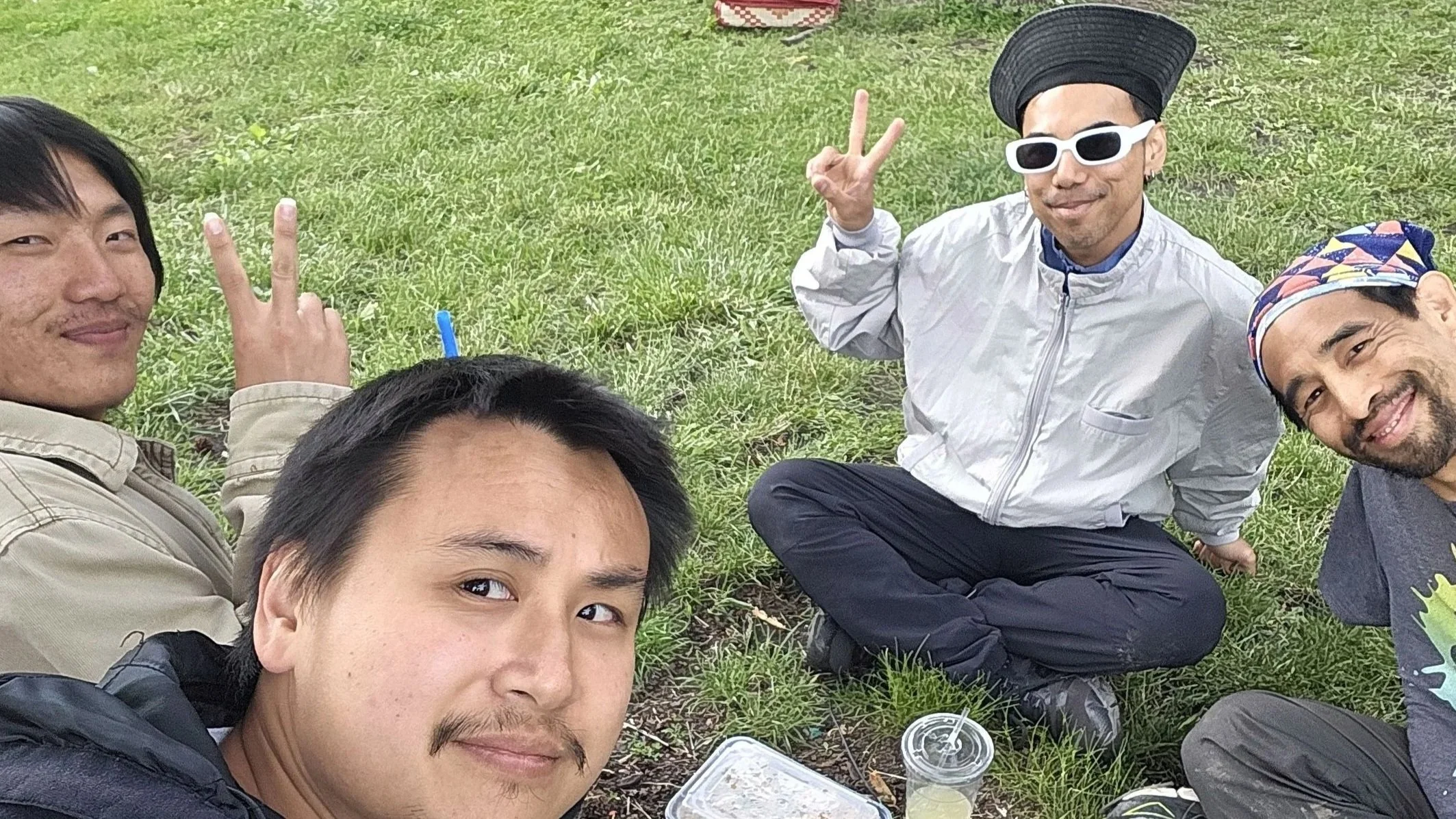
Southeast Asian Men

A dedicated space for Southeast Asian diaspora men to explore embodiment, healing, masculinity, and community through reflection, movement, and shared practice.
Read More
Andrew Suseno Andrew Suseno

Survivor-Centered Spaces

Survivor Informed Gathering Cycles are often held in partnership with community organizations. They will be listed in our calendar as they are booked.

This Survivor-Informed Gathering Cycle is a gentle, facilitated space for survivors and survivor-adjacent communities to come together around story, movement, and shared presence.

Rather than focusing on retelling or processing specific experiences of harm, the cycle offers an invitation: to move at your own pace, to notice what feels supportive, and to explore imagination and meaning in relationship with others. There is no expectation to share personal history.

Each gathering is designed to support choice, dignity, and agency. You may engage through listening, movement, stillness, drawing, speaking, or simply being present. All forms of participation are welcome, and opting out is always respected.

This cycle is one example of how Moving Rasa’s tools—such as the Once Upon a Rasa card game—can be thoughtfully adapted for survivor-informed contexts.

What This Cycle Is

A Survivor‑Informed Gathering Cycle is:

  • A small, facilitated cohort

  • Held across multiple sessions (typically four)

  • Designed with trauma‑aware and consent‑centered principles

  • Focused on collective rather than individual storytelling

Participants are never required to share personal histories. Engagement may include observation, movement, drawing, listening, or spoken reflection.

Why a Gathering Cycle

Survivors often carry experiences that were shaped in isolation, silence, or loss of choice. A gathering cycle offers something different:

  • Continuity, so trust can build over time

  • A shared container that does not center crisis or pathology

  • Opportunities to experience agency in relationship

  • Collective meaning‑making without pressure to resolve

The multi‑session arc allows participants to return, orient, and deepen at their own pace.

Core Elements

Each cycle is shaped by the group, but commonly includes:

  • Cooperative storytelling using the Once Upon a Rasa card game

  • Gentle movement and embodied inquiry

  • Invitations for imagination, symbolism, and metaphor

  • Practices that honor boundaries, consent, and rest

Sessions may be seated, lightly moving, or adaptable for access needs.

Who This Is For

This Survivor‑Informed Gathering Cycle may be appropriate for:

  • Survivors of interpersonal or systemic harm

  • Survivor‑adjacent communities and allies

  • Organizations seeking collective, non‑clinical healing spaces

No prior movement, storytelling, or somatic experience is required.

Care, Safety, and Consent

Safety in this cycle is understood as relational rather than prescriptive.

Facilitation prioritizes:

  • Opt‑in participation

  • Clear boundaries and expectations

  • Multiple ways to engage or step back

  • Respect for autonomy and self‑knowledge

Participants are encouraged to attend to their own needs and capacities throughout the cycle.

Example Structure (4‑Session Arc)

While each cycle is adapted to the group, a typical four‑session arc may include:

  1. Arrival & Orientation — establishing shared agreements and gentle entry

  2. Story & Agency — exploring choice through cooperative storytelling

  3. Relational Play — noticing how stories shift through interaction

  4. Integration & Closing — reflecting on what carries forward

This structure is flexible and may change based on context.

Partnership & Adaptation

This Survivor‑Informed Gathering Cycle can be offered:

  • In partnership with survivor‑serving organizations

  • As a closed cohort for specific communities

  • As part of broader healing, arts, or community‑care initiatives

Cycles are adapted collaboratively to align with cultural context, access needs, and organizational capacity. Many survivor-informed cycles are created in partnership with organizations rooted in survivor advocacy. At times, cycles may also arise through community interest or specific requests.

Survivor‑Specific FAQ

Do I have to share my personal story or experiences?
No. There is no expectation to share personal history. You are always invited to participate in ways that feel supportive, including listening, observing, or stepping back.

Is this therapy or a support group?
No. This is a facilitated, community‑based gathering—not clinical treatment or group therapy. It focuses on shared presence, imagination, and collective care rather than diagnosis or intervention.

What if I feel overwhelmed during a session?
You are encouraged to follow your own pacing. Taking breaks, changing how you participate, or stepping out briefly are all respected. Facilitators help maintain a culture where choice is honored.

Do I need movement or storytelling experience?
No experience is required. All practices are adaptable, and stillness or observation are always valid forms of participation.

Is this space confidential?
The group is guided by shared agreements around respect and care. While confidentiality is encouraged, participants are not asked to disclose anything personal, and responsibility for personal boundaries is emphasized.

About the Tools

This cycle often uses Once Upon a Rasa, a cooperative storytelling card game developed by Moving Rasa. The game serves as an external structure that supports agency, imagination, and shared meaning‑making.

Learn more about the tool here: [Once Upon a Rasa]

Interested in Hosting a Cycle?

Let’s chat to explore whether this Survivor‑Informed Gathering Cycle is a fit for your community or organization.

Read More
Andrew Suseno Andrew Suseno

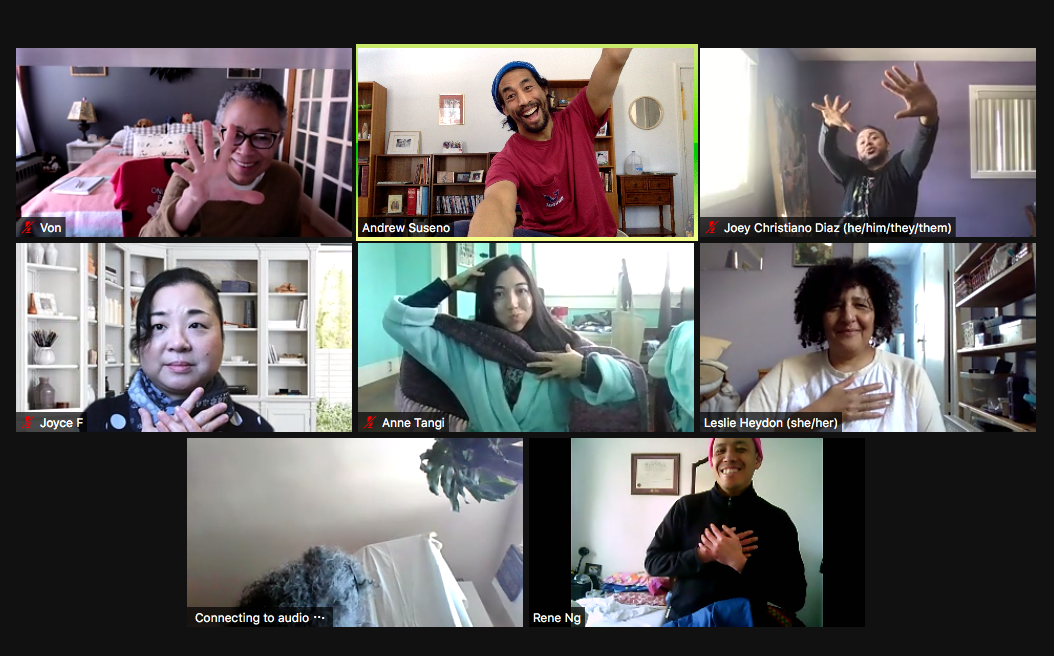
BIPOC Community Spaces: Breathe Again!

VIRTUAL: First Sundays 8-9:30p EST. These are trauma-informed spacesfor BIPOC people to find belonging and move in a healing community together.

These spaces are for BIPOC people to be in culturally specific somatic healing community with one another.

Breathe Again! has been a sustained weekly/monthly practice group for BIPOC since March 2020.

This is a collective virtual space to discuss and move through personal, social and/or political issues that impact non-white people of the Global Majority such as:

* institutionalized practices surrounding race, gender, class and culture

* disability and environmental justice

* and other topics as per members interests and/or need

Video Testimonial View the accompanying video of a Breathe Again! participant sharing their firsthand experience on a transformational and expansive journey of self-awareness and community connection.


Upcoming Schedule


Read More