
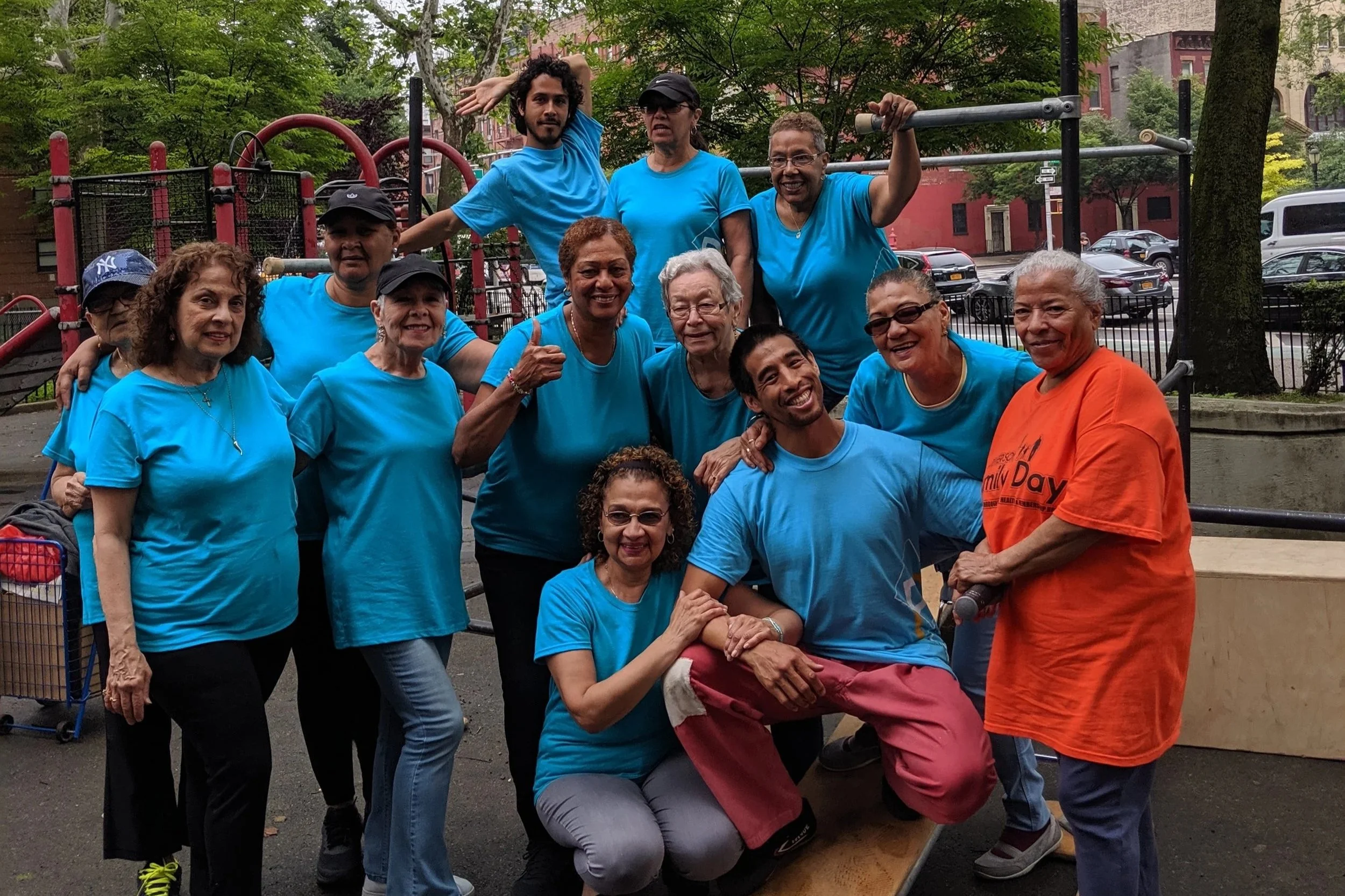
Regularly on-site in NYC, able to travel, or virtual.
Partner with Moving Rasa
Moving Rasa partners with organizations, collectives, and institutions to create non-extractive spaces for connection, reflection, and accountability—without requiring disclosure, diagnosis, or performance.
In-person (NYC) or virtual • One-time sessions or short series • Sliding-scale options available
Low-pressure. No prep required.
Trauma-aware, consent-led collaboration—rooted in choice, dignity, and care.
What we bring
We create gatherings that help people return to themselves and to one another—through invitations that support choice, pacing, and care. Our spaces are designed to be survivor-centered and relationship-forward, while protecting privacy and autonomy.
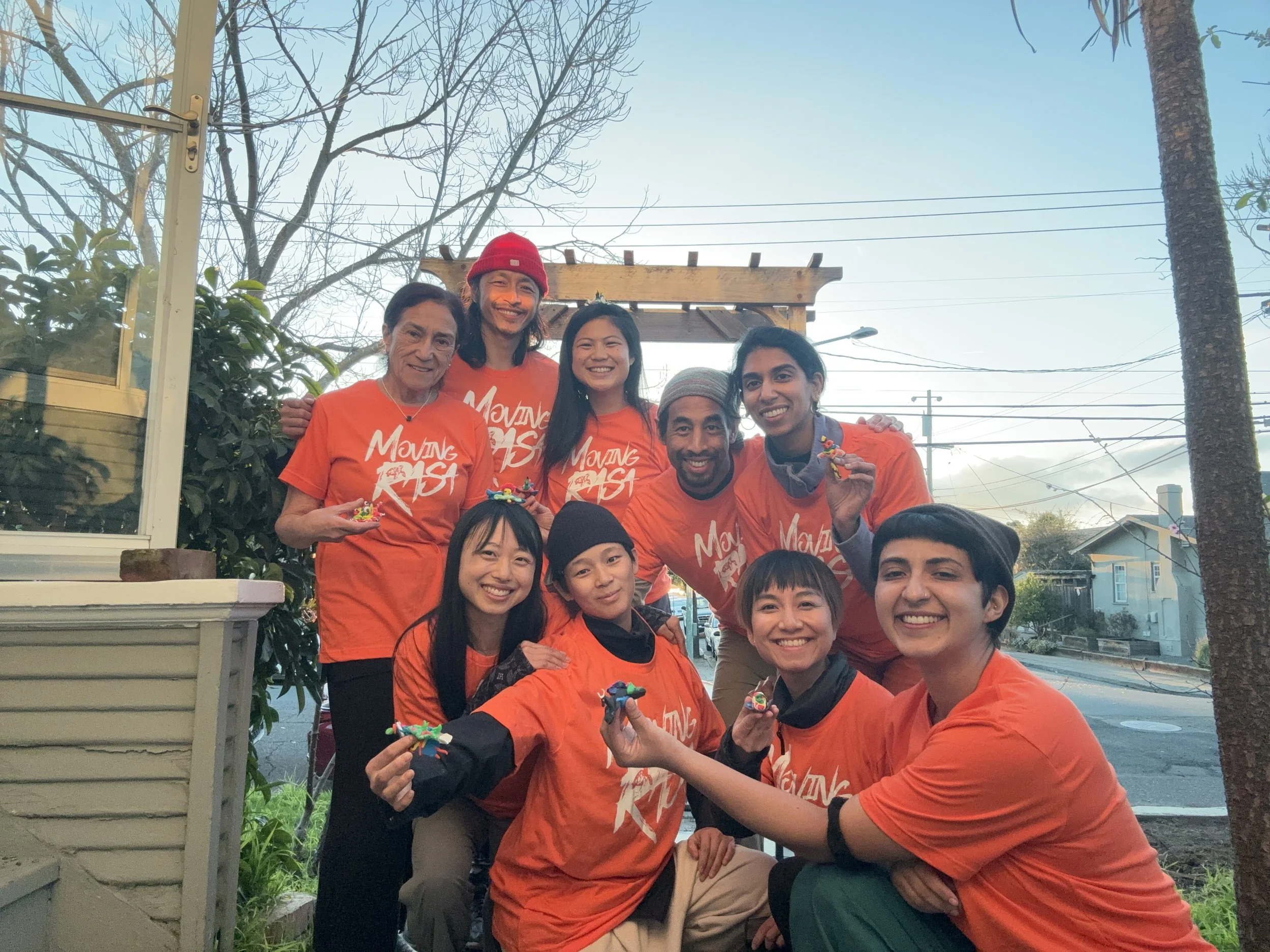
You can expect:
consent-led facilitation (Yes / No / modify)
movement-optional participation (seated, still, or in motion)
clear boundaries and agreements
culturally responsive, community-specific adaptation
no expectation of disclosure or explanation
A relational and experiential framework
Our partner offerings draw from the Moving Rasa framework and the Discovery Cards to support experiential and relational learning.
Participants do not only talk about ideas. They engage through sensation, attention, interaction, and choice in real time.
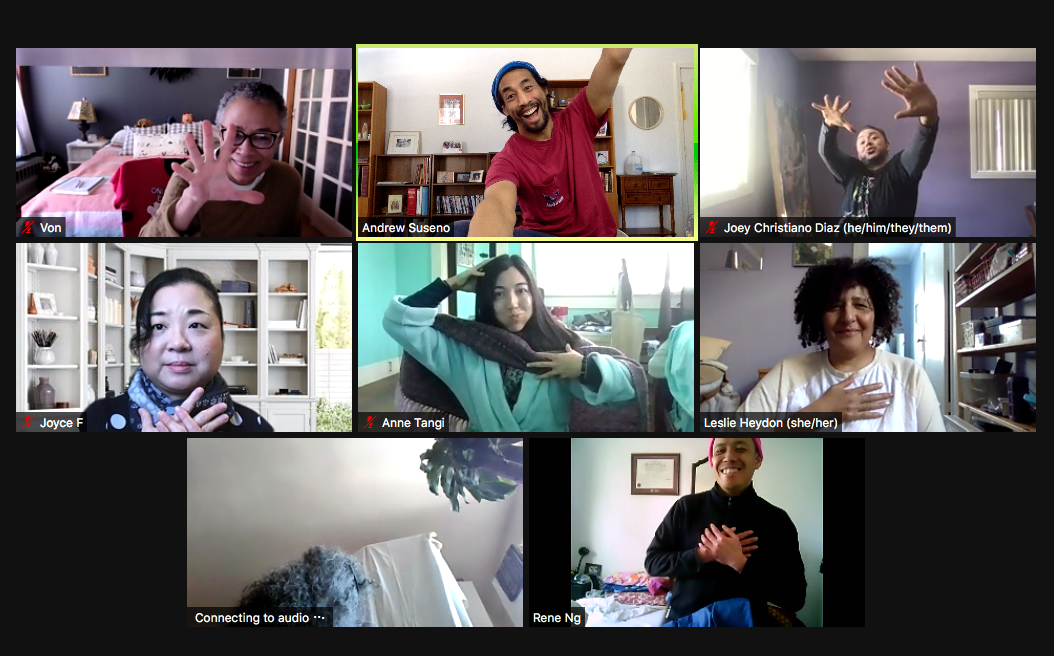
The Discovery Cards act as anchors for experience. They can help participants explore a question, relationship, or challenge through movement, stillness, observation, journaling, or conversation. In group settings, they also create shared language that people can return to after the session ends.
Because the cards are tangible and adaptable, they can continue to support individuals, facilitators, or community spaces beyond a single workshop or series.
This approach helps build practical embodied skills in consent, boundary-setting, awareness of self and others, and making grounded choices in relationships.
Partnerships are flexible and co-designed
There isn’t one “right” way to partner with us. We’ll shape an offering that fits your community, capacity, and constraints—whether that means a single session, a short series, or an ongoing rhythm.
We can work:
in-person, virtual, or hybrid
with small groups or large audiences
with staff teams, community members, youth, or mixed groups
with communities where participation needs to be quiet, low-pressure, and choice-centered
Ways we can partner
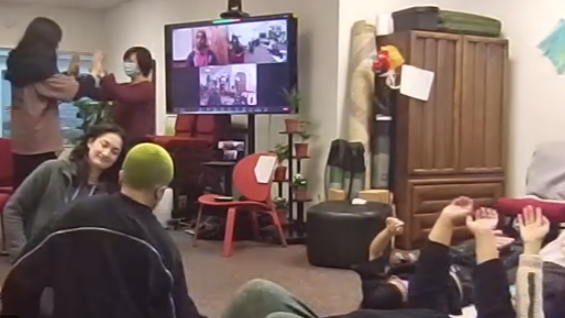
1)Discovery Card Circle (60–120 min)
A guided group experience using movement-optional prompts for reflection, shared language, and next steps.
2) Workshop / Gathering (60–120 min)
A consent-led, trauma-aware offering focused on grounding, boundaries, care practices, and connection—adapted to your context.
3) Short Series (3–6 sessions)
A time-bound container that builds shared language and repeatable practices over several weeks.
4) Staff Support / Team Session
A space for regulation, reflection, and relational skills—especially supportive for frontline teams and high-stress environments.
5) Custom Container (co-designed)
For communities with specific needs, constraints, or cultural considerations. We build with you, not for you.
Choose a format—or start with what you’re hoping to support, and we’ll recommend a best-fit starting place.
This work is especially aligned for organizations that support communities impacted by interpersonal or systemic harm. This is a good fit if you…
want trauma-aware work that is non-clinical and non-extractive
serve survivors while honoring a wide range of lived experiences
work with men or mixed-gender communities around care and accountability
need spaces that protect choice, pacing, and dignity
want offerings that don’t add heavy administrative burden
How we work together
We co-design each collaboration based on your community, constraints, and context. This work is flexible, but grounded in a few core practices:
we prioritize consent, pacing, and participant choice
we adapt to your space, schedule, and access needs
we keep facilitation non-extractive and non-clinical
we design for real participation, not performance
Each collaboration is shaped together, rather than delivered as a fixed program.
Start with a Partner Orientation Conversation
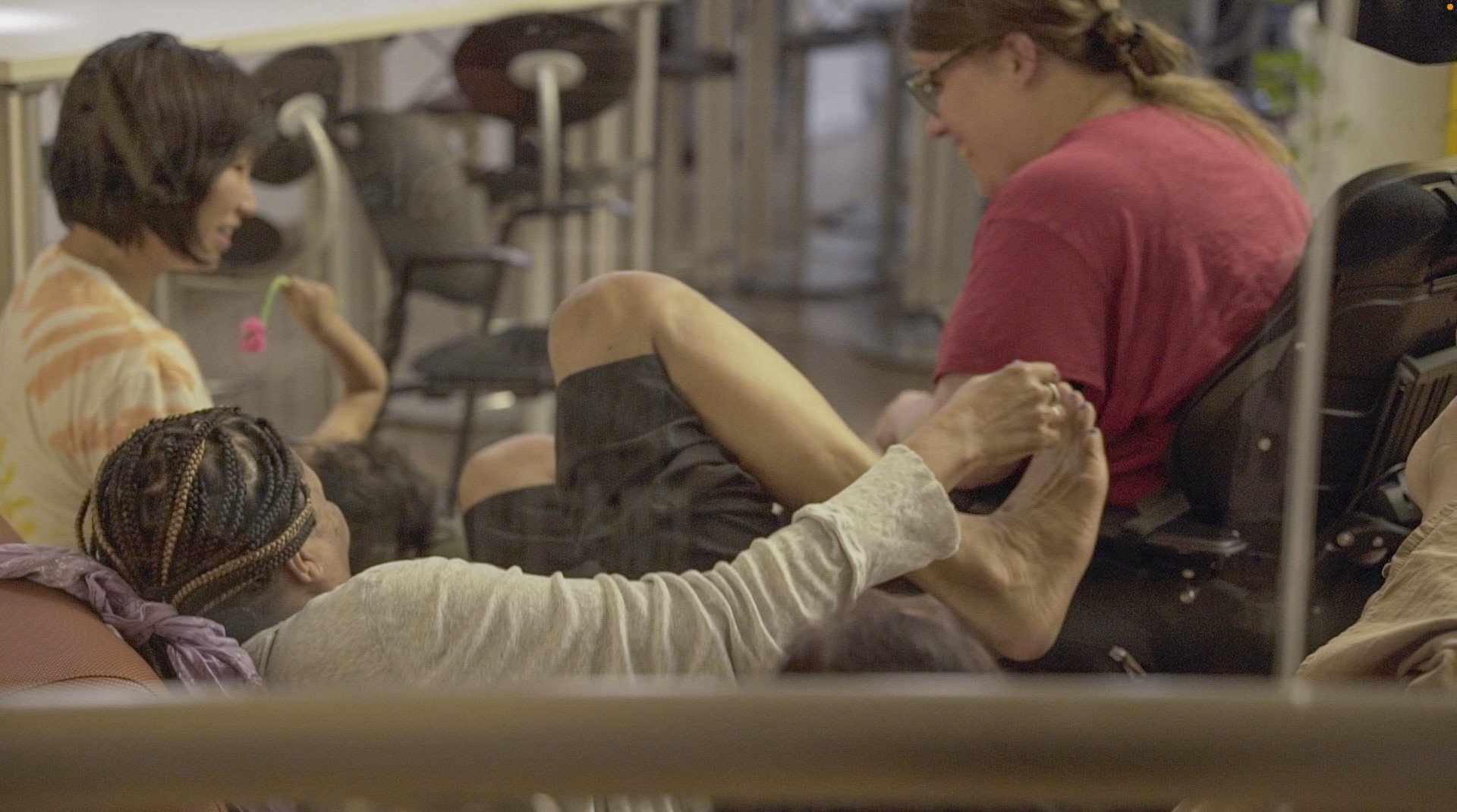
A low-pressure conversation to explore fit, context, and next steps. Bring what you know—you don’t need a complete plan.
In that call, we’ll cover:
who you’re serving and what you hope to support
constraints around time, staffing, space, access, or budget
a best-fit format to begin