
OUR STORY
UNDER CONSTRUCTION:
The Question
Moving Rasa began with a question that took shape over time:
What becomes possible when people can fully feel themselves in relationship—with others, with the environment, and with the conditions shaping their lives?
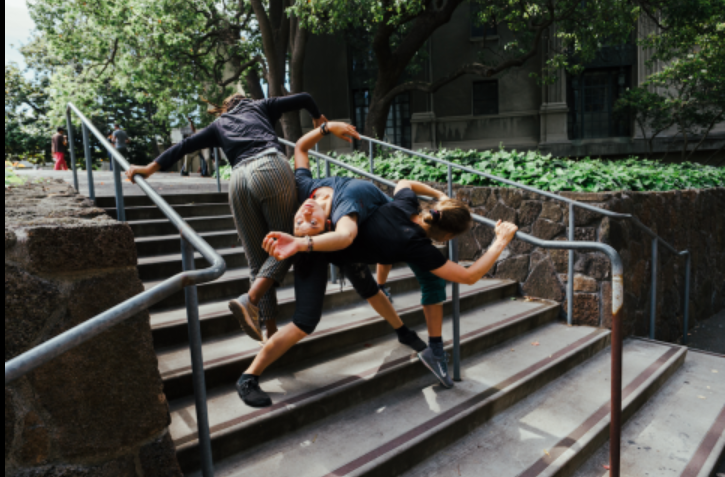
Andrew Suseno began exploring this question in 2015 by bringing together Parkour and Contact Improvisation. By then, he already had 15 years of experience as a professional modern dancer, physical therapist, and somatic educator. At that time, he also became disillusioned with assimilation into white culture as the way to be American.
He learned that who was in the room—and what agreements were made, or not made—mattered. The quality of trust, connection, and possibility shifted depending on who was present, even before there were words to explain why. He advocated for BIPOC centered-spaces in Contact Improvisation and his work.
Walls, rails, and public spaces were no longer just fixed structures to move over or around. As he moved with them, they began to feel like partners—opening new possibilities for how the body and community could respond, adapt, and relate.
As this relationship to place opened, something else began to shift. There was more room to question what had been assumed—about movement, about relationship, and about who gets to belong.
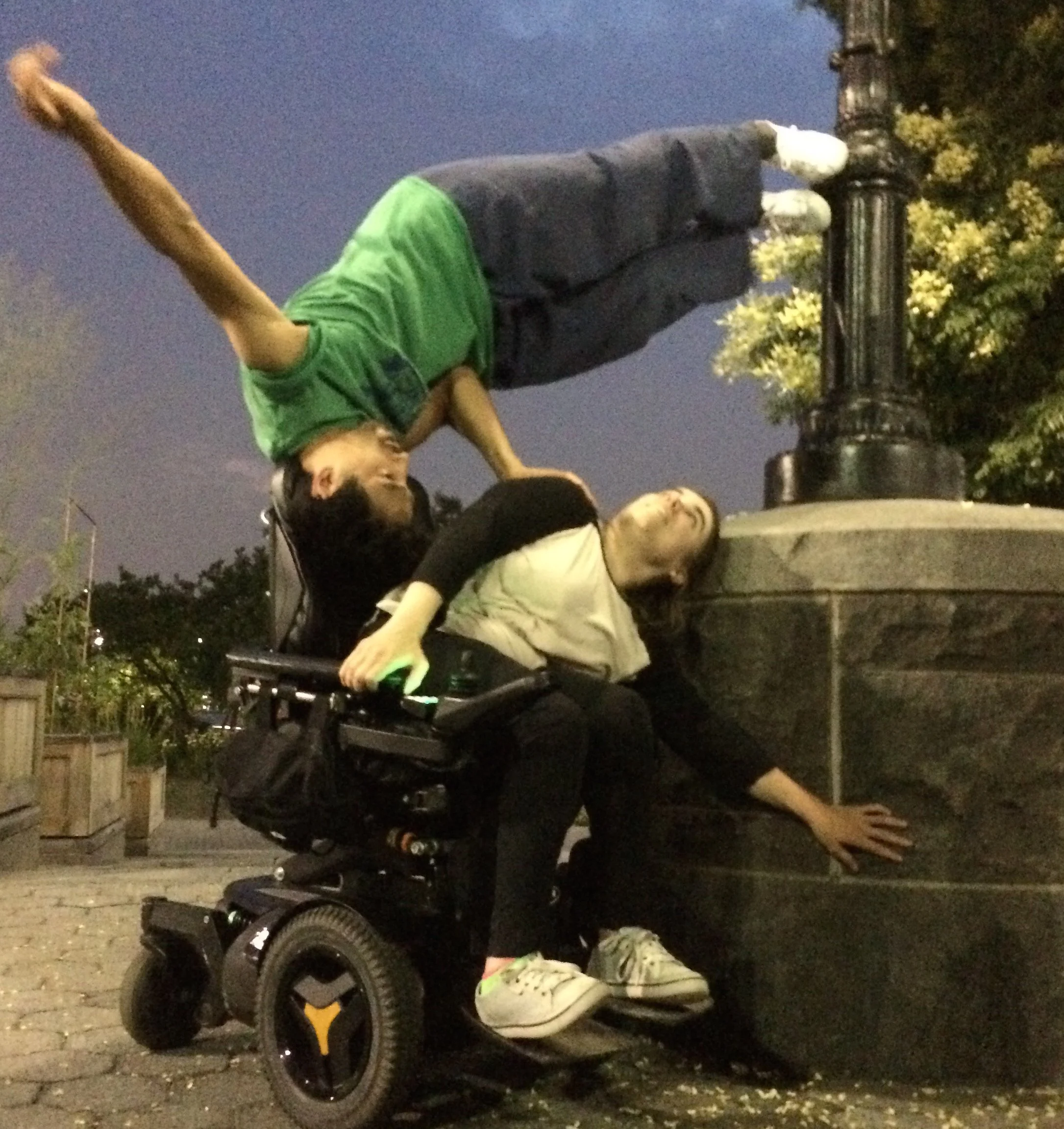
in how people entered,
how they were seen,
and how they could relate.
This extended beyond the classes or jams he taught into how festivals and gatherings were structured:
affinity spaces for BIPOC participants
consciousness spaces for white participants, including enlisting them to respond to backlash
shared meals and check-ins that supported the whole person
Movement was no longer separate from identity, power, or care.
New ways of structuring practice began to emerge—ways that allowed people to relate not only through movement but also through awareness, responsibility, and choice.
The work began to address culture and the collective body, rather than individual experience alone.
The Deepening
As trust grew, people began bringing more of their lives into the room:
experiences of sexual violence
disconnection
masculinity
cultural loss
survival
Movement was no longer just exploration.
It became a way to:
process
reconnect
and practice new ways of being in relationship
People were not only learning something new.
They were reconnecting to ways of being they had lost—or never had the conditions to access.
The work changed.
It moved from experimental movement spaces into survivor-informed, community-based practice.
During the pandemic, this expanded into virtual BIPOC spaces where people gathered to breathe, move, and stay connected through collective grief and uncertainty.
Programs like Breathe Again and men’s groups emerged—and continue to evolve—as responses to what people need in real time.
The Naming
A major turning point came through collaboration with the National Organization of Asian Pacific Islanders Ending Sexual Violence (NAPIESV), including the creation of a wellness guide for AAPI sexual assault survivors.
Through this work, Andrew’s connection to his Indonesian roots deepened.
The role of culture became clearer—not as something to reference, but as something lived, practiced, and carried in the body. He also began to more deeply appreciate the wisdom of his home culture.
The practice needed a name that could hold all of this.
Moving Rasa emerged in 2022.
Rasa—an Indonesian word pointing to feeling, inner sense, taste, and essence—named something that had always been present:
the intelligence of lived experience.
At Prime Produce
At the end of 2025, Moving Rasa became a member of the Guild for Good at Prime Produce, a worker’s co-op in Hell’s Kitchen. Prime Produce draws social entrepreneurs, nonprofits, and community builders, creating a wider ecosystem of people exploring how different possibilities for collective life might be built. In this new home, Moving Rasa became part of a hub for action and social innovation—one shaped not only by space, but by shared stewardship, collaboration, and experimentation. With many options for space use, Prime Produce created room to try different kinds of programming and helped the work continue to grow through relationship, practice, and community.
The Practice
Moving Rasa is now a practice that is:
embodied
relational
culturally rooted
improvisational
and grounded in consent and awareness
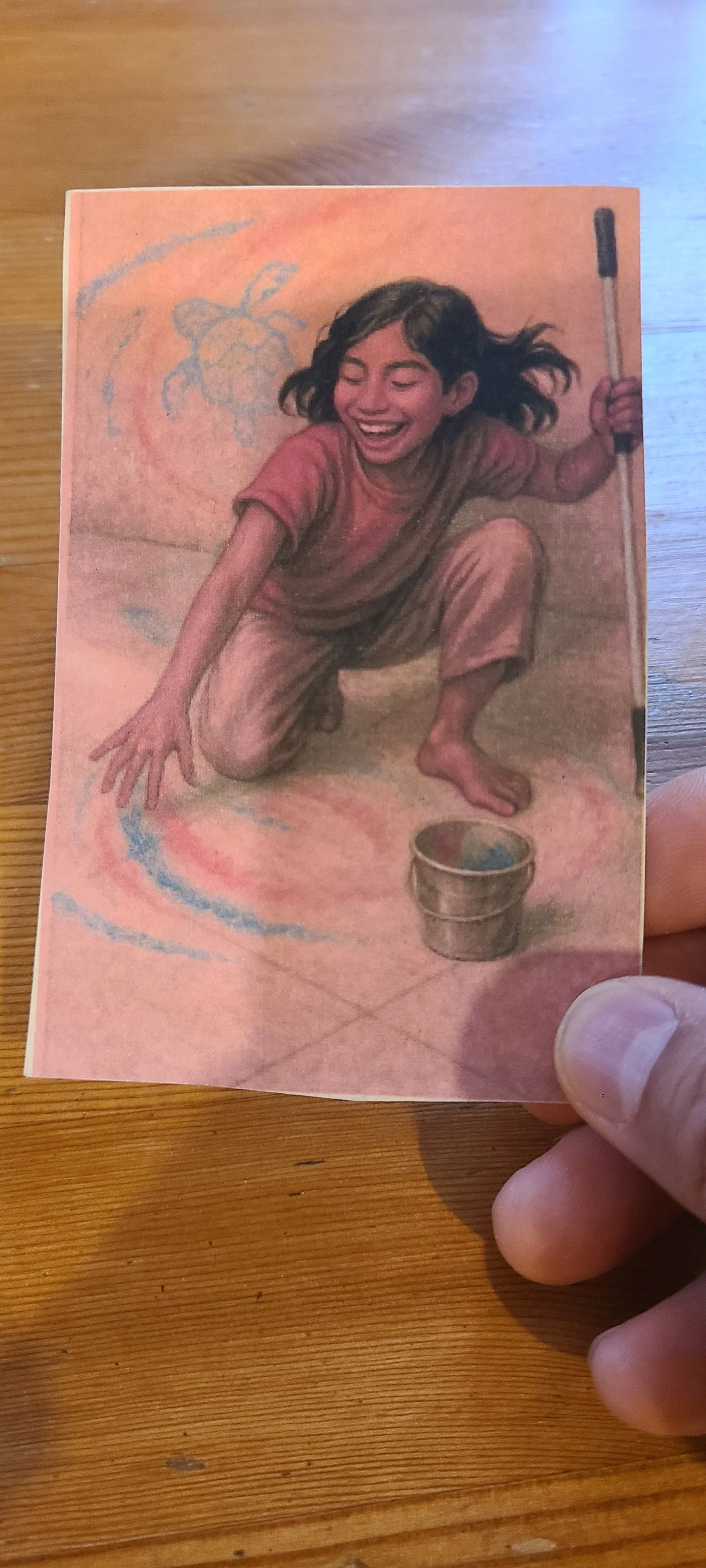
It lives through workshops, community spaces, coaching, partnerships, and the Discovery Cards.
These are not separate offerings.
They are different entry points into the same practice:
learning to sense, relate, and respond with more awareness, choice, and connection.
Growing up between cultures, Andrew carried a question of how different ways of being could exist together without one overriding the other.
In Indonesia, there is a phrase: Bhinekka Tunggal Ika—often translated as unity in diversity.
Here, that idea is lived through practice—through people entering a space with different histories, identities, and needs, and learning how to stay in relationship without collapsing those differences.
The Discovery Cards extend this practice, offering a way to continue engaging with one’s own experience, relationships, and environment—bringing more of oneself into connection, rather than less.
There is space to show up more fully.
The Invitation
This work is still unfolding.
It lives in the moment someone pauses and notices what they feel.
It lives in the risk of trying something new in relationship.
It lives in the shift—however small—toward more honesty, care, and presence.
And it continues wherever people are willing to stay at the edge of what they know—and discover what becomes possible from there.